


5. Recognizable neighborhoods
- Oct 26, 2025
- 3 min read
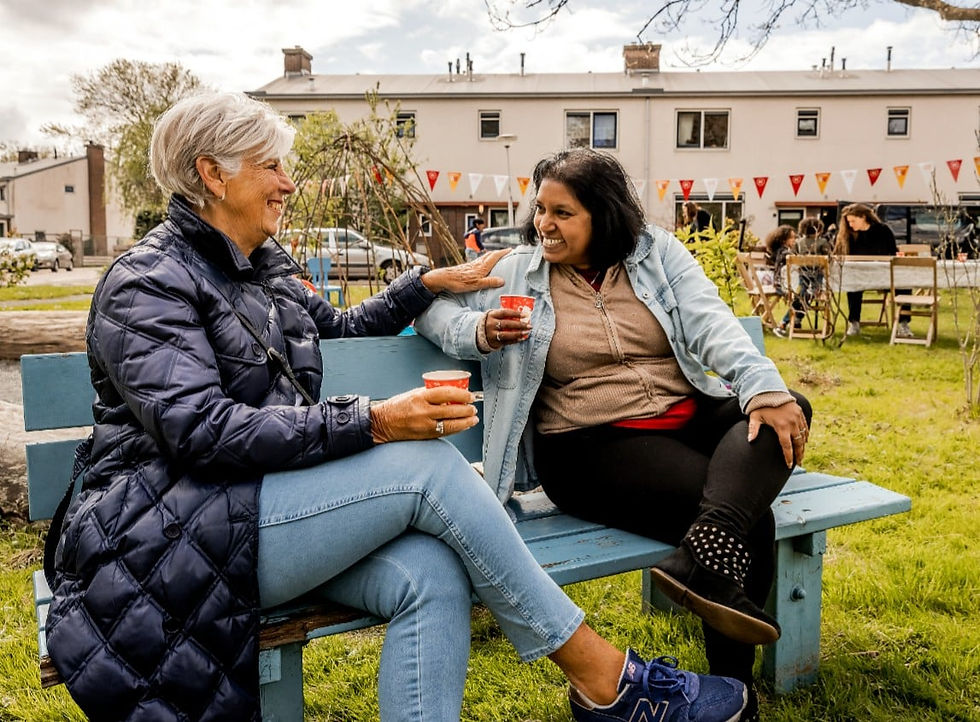
For EVE, strong and recognizable neighborhoods are the foundation of Eindhoven. Growth must never come at the expense of a neighborhood’s character or the feeling of being at home. We invest where necessary, reduce inequalities between neighborhoods, and give residents real influence over their surroundings. Decisions are not made about them, but with them.
The municipality stands alongside neighborhoods and ensures that the basics are in order: safety, clean streets, good facilities, and places where people can meet. In this way, neighborhoods remain recognizable, livable, and truly belong to the people who live there.
1. Real Influence for Every Neighborhood
Strong neighborhoods are essential to a livable city. Neighborhoods and districts will have greater influence over changes in their immediate environment and over protecting their identity. Together with residents, we will develop a vision for each neighborhood that defines what fits, what ambitions exist, and how change is managed. We will stimulate both physical and digital instruments that enable residents to exercise structural influence. This strengthens ownership and trust.
2. Everyone Can Participate, in Every Neighborhood
Not every neighborhood starts from the same position. That is why we support grassroots organization and help residents unite. In neighborhoods where problems accumulate, we invest extra in livability, facilities, and social cohesion. In this way, we reduce inequalities between neighborhoods instead of allowing them to grow. We also make room for small initiatives. If you have an opinion about your green space or any other issue, discuss it in your street or neighborhood and we will ensure that you can participate.
3. Integrated Development of Neighborhoods
We approach development on a neighborhood-by-neighborhood basis in an integrated way. Densification is often necessary, but it must always go hand in hand with investment in livability, green space, facilities, and infrastructure. This prevents excessive pressure on neighborhoods and ensures balanced growth.
4. Safety and Livability as the Foundation
Recognizable neighborhoods begin with a safe and well-maintained living environment. We ensure a visible presence in neighborhoods, actively address nuisance and misconduct, and keep public spaces clean, safe, and accessible. Residents know where to turn and see that their reports are taken seriously. Safety and livability are the basis for feeling at home. At the same time, we strengthen resilience. Neighborhood teams will be prepared to respond in times of crisis and to support others when needed.
5. More Space and Resources for Neighborhood Initiatives
We will strengthen the instruments and resources available for neighborhood initiatives. This means more financial room, less bureaucracy, and new forms of neighborhood budgets that allow communities to invest directly in green space, livability, and social cohesion. Every neighborhood must be able to realize its ambitions, regardless of the financial capacity of individual residents.
6. Collective Neighborhood Projects for Energy and Mobility
We make it easier to launch collective neighborhood projects that are often unaffordable for individuals. Examples include shared solar panels, local energy storage, or shared mobility solutions at the neighborhood level. The municipality will provide financial, organizational, and legal support so that neighborhoods can make their communities more sustainable together and share costs. In this way, sustainable choices become accessible to everyone, not only to those who can afford them individually.
7. Community Centers and Neighborhood Associations as the Backbone
Community centers and neighborhood associations form the heart of districts, yet they are often under pressure. The municipality will take an active role in ensuring that the foundations are strong, from maintenance to structural support. Volunteers will be better supported and valued through training, facilities, and practical benefits. Neighborhoods will help one another where challenges are greatest.
8. Accessible Neighborhood-Based Support
Neighborhood-based services, such as youth work and support through WijEindhoven, will be visible and accessible in every district. Young people will have space to develop, and residents will be able to access support, advice, and activities within their own neighborhood. This strengthens social cohesion and helps prevent problems before they escalate.
9. Lively Neighborhoods, Not Everything in the City Center
Not everything needs to take place in the city center. We will distribute culture, sports, events, and economic activities across neighborhoods and districts. We will strengthen local shopping areas, small-scale businesses, hospitality venues, and workplaces within neighborhoods. This creates vibrancy close to home.
10. Better Accessibility of Neighborhoods
Many neighborhoods are insufficiently connected. We will invest in public transport that not only focuses on the central station but also connects neighborhoods more effectively with one another. Good accessibility is essential for inclusive and vibrant neighborhoods.
11. Libraries as Central Neighborhood Anchors
District libraries are important anchor points within neighborhoods. We will further develop these “bibliotopes” and actively combine them with meeting spaces, information services, support, and opportunities for initiating new projects. In this way, they become accessible and central places for the community.